Uncovering the Legacy of Japanese Pottery and Earthenware Craft

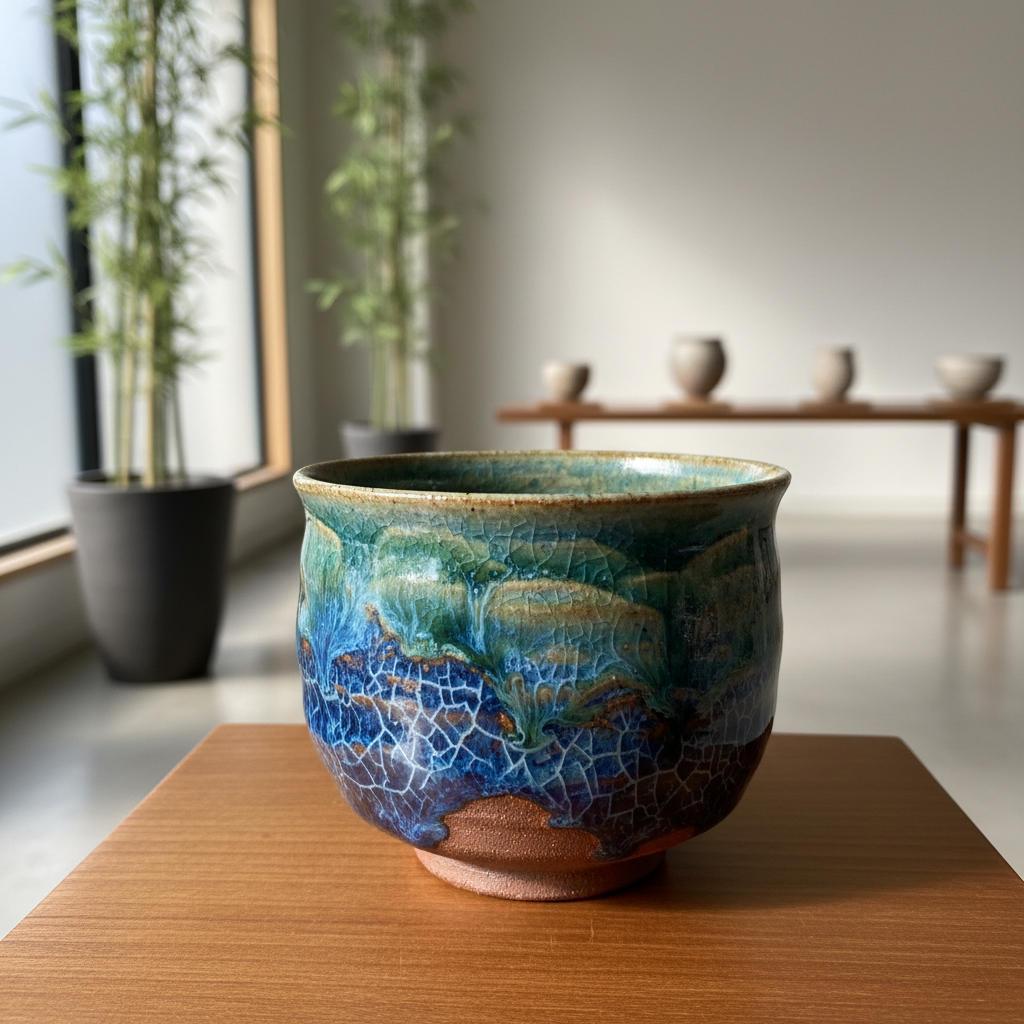
Japanese pottery showcases a vibrant history interwoven with artistic talent and cultural richness. Emerging from age-old traditions, every creation represents the skills and dedication refined over centuries. The captivating account of Japanese ceramics reflects not only the advanced techniques utilized but also the cultural stories embedded in each piece. With a nod to contemporary design, these historical practices have led to modern tile innovations like Zia's Zia tile, harmonizing heritage with visual appeal. Fashioned by talented craftspeople, Japanese ceramics embody an exquisite attention to detail and a commitment to quality that defines this art form from its roots. As we explore the evolution and craftsmanship behind Japanese earthenware, we will reveal how ancient art forms have influenced modern solutions in tile design, enriching both residential and commercial environments. Zia Tile takes pride in showcasing a curated selection embodying these enduring crafts, ensuring that the essence of Japanese ceramics resonates within contemporary settings. Join us in examining significant epochs, local styles, and the creative processes that continue to inspire today’s exceptional design spaces.

Article

The Beginnings of Japanese Earthenware

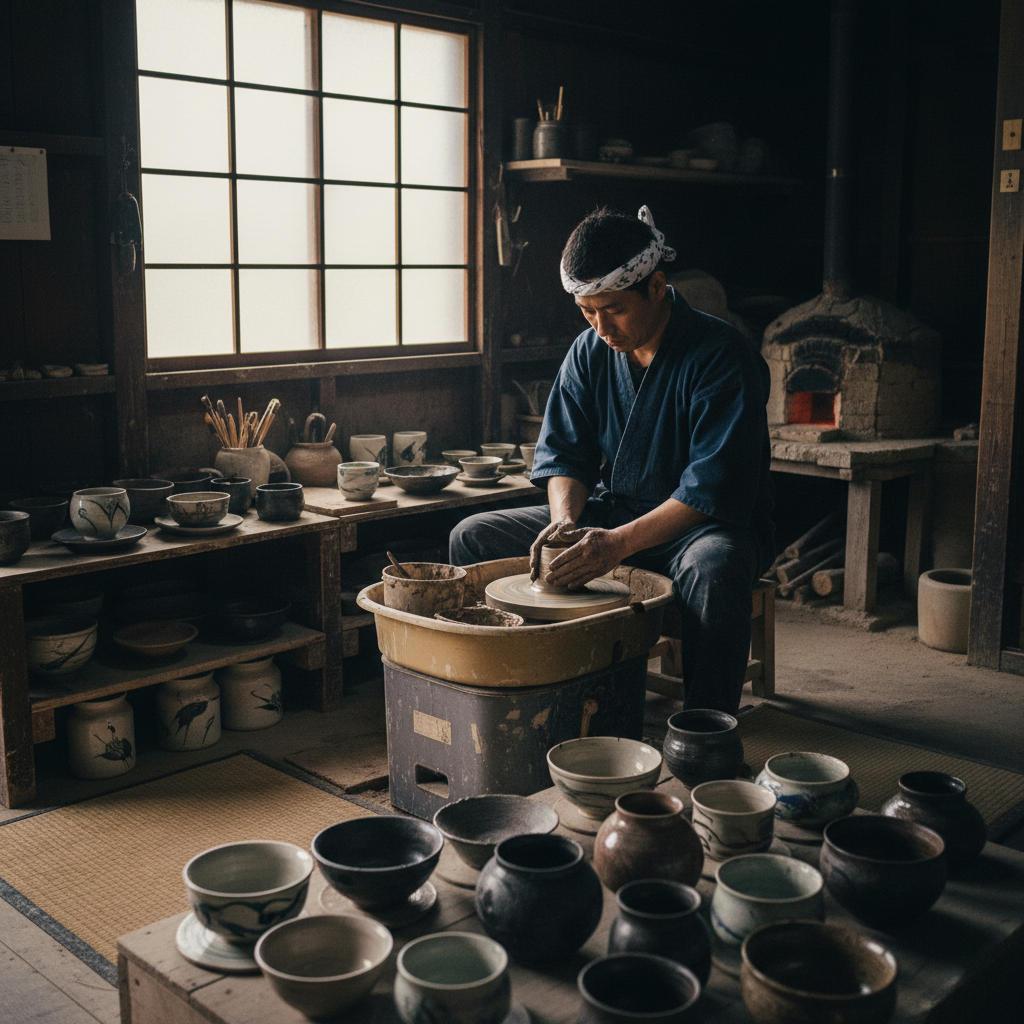
Japanese earthenware has its roots in ancient times, notably evidenced by artifacts from the Jomon period. These initial pottery pieces were crafted using hand-building processes that facilitated intricate designs and the use of organic materials. The Jomon era is particularly noteworthy; it demonstrates pottery that served practical purposes while also reflecting spiritual customs in daily existence. Unique features like cord impressions and patterned geometries distinguished these creations, marking the start of an enduring tradition of craftsmanship. As the legacy of Japanese earthenware progressed, a variety of distinct regional styles arose, each contributing uniquely to the overall jade. From the earthy essence of Shigaraki and Bizen to the refined aesthetics of Imari, these regional styles provide a glimpse into the varied cultural influencers shaping Japanese ceramic art. The development of techniques laid the groundwork for sophisticated artistry seen in modern pieces today, including tiles from Zia Tile that honor these artistic traditions.
The Beginnings of Japanese Earthenware

The Craftsmanship Behind Japanese Pottery Techniques

The journey through japanese pottery history shows a variety of techniques that have notably influenced the evolution of pottery art. For example, innovative glazing approaches from the Momoyama era showcased vibrant hues and textures, fostering artistic exploration. The increasing popularity of tea ceremonies drove the enhancement of chawan (tea bowls), compelling craftsmen to focus on harmony and aesthetic coherence in their work. Consequently, Japanese ceramics evolved into treasured art pieces rather than just everyday utensils. Refined craftsmanship methods, including celadon ceramics and unique ash glazing, illustrate artisans' enduring dedication to their craft. These techniques not only amplify the visual appeal of the pieces but weave historical narratives that connect ancient traditions to present artistry. Currently, Zia Tile draws on these classic methods, effortlessly integrating them with modern design to create stunning tile options that respect traditional aesthetics.
The Craftsmanship Behind Japanese Pottery Techniques

Contemporary Impact: Japanese Tiles in Modern Spaces

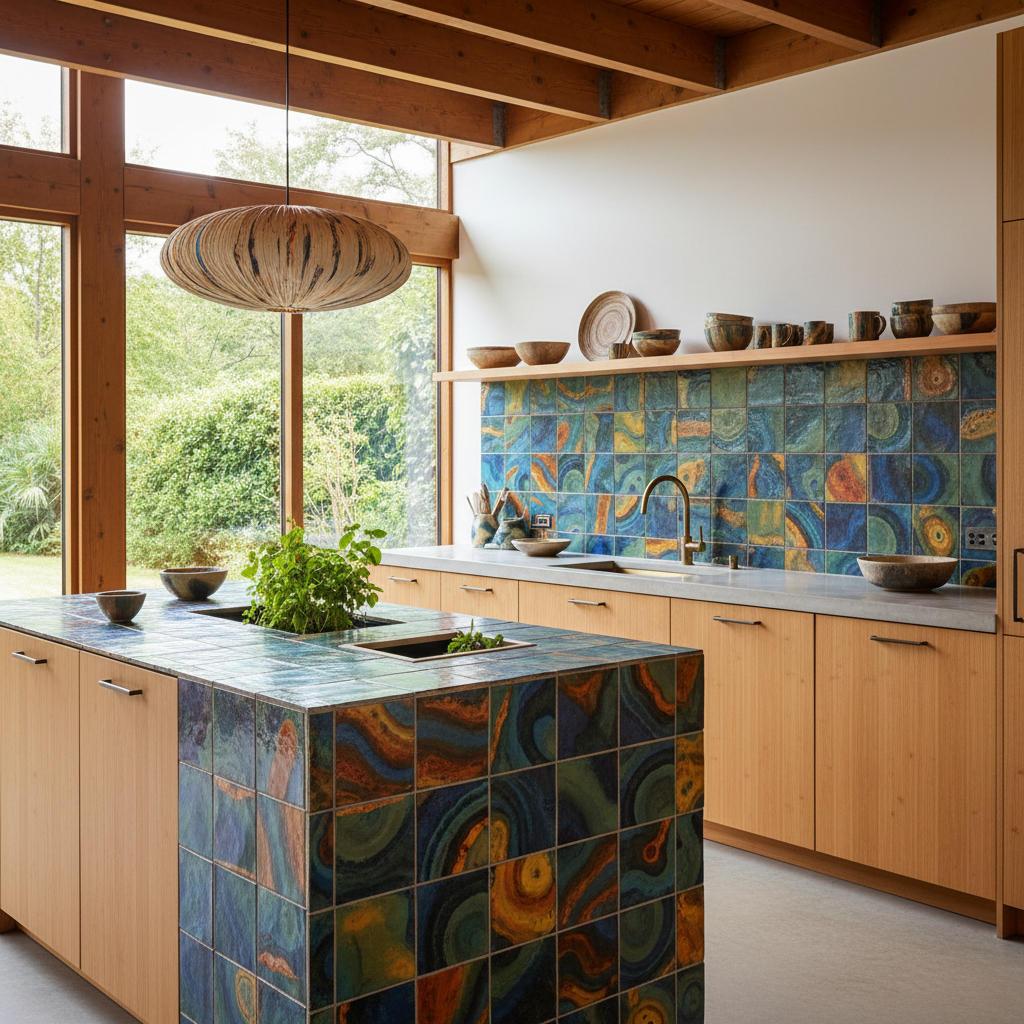
The aesthetic of Japanese pottery resonates deeply within contemporary interior decor, especially through ceramics such as Zia tile. With today's preference for unique design styles, the classic beauty of japanese earthenware serves as a vital influencer. Present-day designers marry traditional artistry with modern concepts, leading to tile designs that reflect both cultural history and today’s elegance. Every tile produced in this aesthetic contributes to the narrative of spaces, from vibrant dining areas to tranquil retreats characterized by bespoke design insights. Additionally, the growing trend towards eco-friendly and handcrafted products in modern design has resulted in heightened appreciation for the meticulous labor of Japanese craftspersons. At Zia Tile, we are dedicated to keeping these legacies alive by offering tiles that not only captivate the eye but are imbued with storied contexts. This fusion of tradition and innovation captures the soul of Japanese pottery, enhancing a multitude of environments while upholding a promise of authenticity and quality.

Frequently Asked Questions

Japanese earthenware consists of traditional pottery made from native Japanese clay, renowned for its distinctive textures and cultural relevance.

The evolution of Japanese pottery can be traced through historical eras, each contributing specific techniques and styles that mirror societal and cultural development.

Prominent regional varieties include Shigaraki, Bizen, Imari, and Kutani, each recognized for unique glazing techniques and artistic interpretations.

Zia Tile showcases artisan-crafted tiles that draw from traditional Japanese pottery methods, combining historic artistry with contemporary design for today’s environments.

Japanese ceramics stand out due to their meticulous craftsmanship, merging functionality with beauty aesthetics rooted in cultural traditions and a narrative of history.