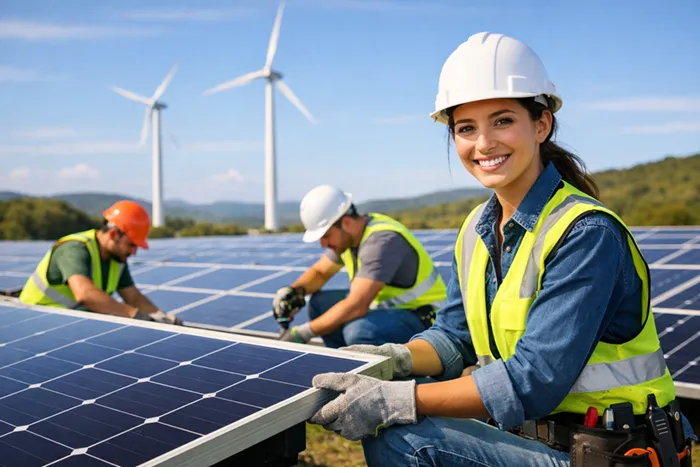
The Transformation of Environmental Journalism and Reporting

The evolution of environmental journalism and sustainability reporting marks a significant shift in how we communicate about critical ecological issues. As our planet faces unprecedented challenges, the role of journalism in shaping public awareness and action becomes increasingly important. From its humble beginnings, environmental reporting has transformed into a vital field that blends investigative journalism with sustainability narratives. Today, this discipline continues to evolve, adapting to technological advancements and audience engagement strategies to highlight environmental challenges and solutions.

Article

Historical Context of Environmental Journalism

Environmental journalism emerged in the 1960s during a time of growing public consciousness about ecological issues. Early reports highlighted pollution and conservation efforts, evolving to encompass a broader range of topics including climate change and biodiversity loss. As environmental crises intensified, journalism began to reflect more urgent narratives, urging action and engagement from the public and policymakers. This period set the stage for a more nuanced understanding of interconnections between environmental degradation and social justice issues.

Historical Context of Environmental Journalism

The Role of Technology in Sustainability Reporting

Technological advancements have profoundly affected the practice of sustainability reporting. The rise of digital media has allowed for more immediate and accessible reporting on environmental issues, engaging a wider audience. Social media platforms enable journalists to disseminate information rapidly, while data visualization tools help clarify complex environmental data. Furthermore, collaboration with scientists and activists through digital networks enhances the integrity and depth of environmental journalism.
The Role of Technology in Sustainability Reporting

Future Trends in Environmental Journalism

As we look to the future, environmental journalism and sustainability reporting must adapt to emerging challenges such as misinformation and climate change denial. The demand for credible and nuanced ecological narratives will increase, pushing journalists to engage more deeply with communities and grassroots movements. Innovations in interactive storytelling and multimedia content will likely play a crucial role in capturing the public's attention. Ultimately, effective environmental journalism will be essential in motivating collective action for a sustainable future.
Future Trends in Environmental Journalism

Frequently Asked Questions

Environmental journalism is a specialized field that focuses on reporting news and issues related to the environment, including climate change, conservation, pollution, and sustainability.

Environmental journalism has evolved from basic reporting on pollution and conservation to addressing complex issues like climate change, social justice, and ecosystem interconnectivity.

Sustainability reporting involves documenting and communicating an organization's environmental, social, and governance (ESG) impacts and initiatives to promote transparency and accountability.

It is important because it raises awareness about pressing ecological issues, influences public opinion, and prompts action from policymakers and organizations.

Technology can enhance sustainability reporting through advanced data visualization, interactive storytelling, and real-time information sharing on digital platforms.