
The Importance of Outsourcing IT Operations in Manufacturing

In a rapidly evolving manufacturing environment, many organizations are discovering the significant benefits associated with outsourcing their IT functions. Important factors such as workforce shortages, rising cyber threats, and the swift evolution towards Industry 4.0 are steering this trend. Additionally, the shift to cloud-based infrastructures is vital for modern manufacturing operations, but it necessitates specialized expertise. By partnering with managed IT for manufacturing professionals, businesses can keep their attention focused on manufacturing while reducing the potential setbacks of IT disruptions. Furthermore, transitioning to managed IT services allows producers to have more predictable tech expenditures, eradicating the unpredictability of tech-related costs. This enables firms to allocate resources toward innovation and scalability, fostering a stronger manufacturing framework. With expert support, businesses in the manufacturing sector can efficiently leverage technology without straying from their primary business activities.

Advantages of Outsourcing IT Functions in Manufacturing

Addressing Labor Shortages with Specialized Expertise

The manufacturing industry is currently experiencing substantial workforce shortages, making it difficult for businesses to hire and keep skilled IT personnel. This deficiency can lead to poor IT management and higher downtime rates. By outsourcing their IT responsibilities, manufacturers gain access to a talented group of experts without the inclusion of extensive training for new employees, facilitating uninterrupted production processes. Managed IT services provide consistent access to specialized knowledge necessary for addressing the specific challenges in manufacturing environments.
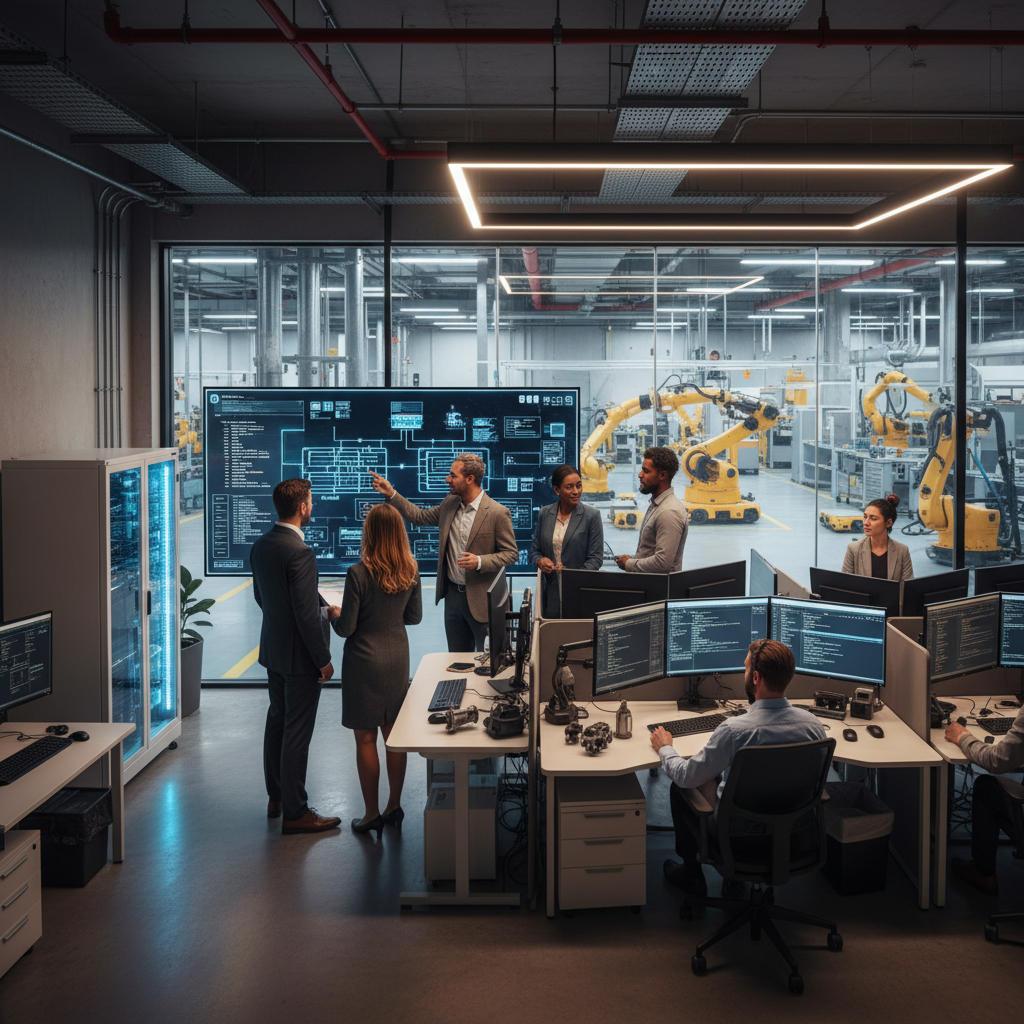
Addressing Labor Shortages with Specialized Expertise

Reducing Cybersecurity Vulnerabilities in Manufacturing

Manufacturing companies are encountering a surge in cybersecurity threats, putting crucial information and proprietary technology at risk. Utilizing manufacturing IT services enables organizations to implement comprehensive security strategies that specifically address their unique challenges. A proactive visit helps minimize the risks of data breaches while meeting regulatory requirements. Through managed IT solutions, manufacturers can safeguard their essential resources while strengthening their overall cybersecurity practices against emerging threats.
Reducing Cybersecurity Vulnerabilities in Manufacturing

Transitioning to Industry 4.0 and Implementing Cloud Solutions

The transition towards Industry 4.0 encourages manufacturers to adopt cutting-edge technologies such as IoT, artificial intelligence, and big data analytics. However, integrating these advancements can be daunting without appropriate technological infrastructure. By migrating to the cloud, organizations can enjoy flexible solutions that can effectively expand in line with their growth. Partners specializing in managed IT for manufacturing help ensure manufacturers can effortlessly incorporate innovative technologies while sustaining productivity across their operations.
Transitioning to Industry 4.0 and Implementing Cloud Solutions

Frequently Asked Questions

Manufacturers can prioritize their primary production goals while leveraging specialized expertise and minimizing risks by outsourcing their IT functions.

By offering professional support, managed IT services reduce interruptions related to tech issues, guarantee security, and ease cloud transitions, ultimately enhancing operational efficiency.

Without personalized IT oversight, manufacturers may encounter staffing deficiencies, escalating security threats, increasing costs, and operational hindrances.

Due to talent shortages, it's challenging for manufacturers to bring in and maintain competent IT staff, which can possibly disrupt operations and support services.

Given that manufacturers deal with confidential information, effective cybersecurity measures provided by IT services are essential for preventing data leaks and ensuring safety regulations.