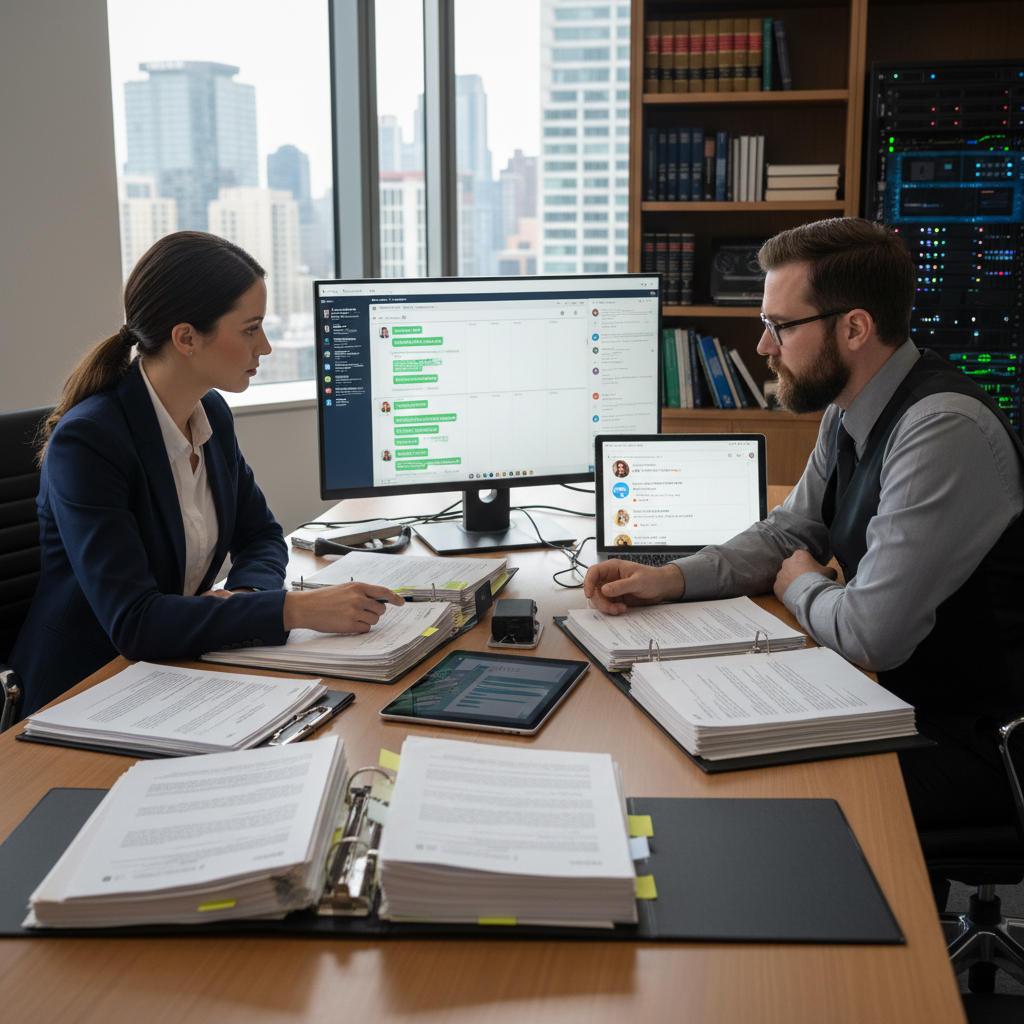
The Importance of Engaging Digital Forensics Experts for Legal Professionals

In the contemporary digital landscape, legal practitioners are increasingly confronted with challenges regarding technological evidence. Engaging with digital forensics specialists is crucial, as they possess the skills to uncover digital traces that prove pivotal in criminal, family, and civil legal matters. Their expertise allows lawyers to effectively collect and scrutinize digital evidence, ensuring that pertinent details are not missed. Collaborating with these professionals not only reinforces legal strategies but also significantly boosts the likelihood of achieving favorable results for clients. Digital forensics extends beyond mere technology implementation; it represents a thorough investigation process marrying technical aptitude with investigative techniques. For instance, in defense cases, digital forensics specialists assist in demonstrating innocence by retrieving evidence that supports defendants. On the other side, prosecutors rely on these specialists to substantiate accusations of cyber offenses or fraud, utilizing concrete digital evidence. In an era where the distinction can hinge on digital information, having skilled experts is vital for any attorney’s toolkit.

The Essential Functions of Digital Forensics Experts in Legal Matters

The Dependence of Lawyers on Digital Forensics Experts

Digital forensics specialists are vital to the legal process, as they excel in extracting and evaluating evidence from different electronic sources. Their expertise encompasses recovering lost information, tracing digital behaviors, and analyzing online interactions to reveal data that may otherwise remain concealed. In criminal scenarios, their analyses can affirm or dismiss accusations, while in civil lawsuits, their findings might substantiate allegations of fraud or improper conduct. Recognizing this potential, attorneys are increasingly incorporating digital forensics into their practice to enhance client representation and enrich legal arguments.


Expert Strategies for Cyber Crime Contexts

As instances of cyber crime continue to rise, there is an escalating need for digital forensics experts. Attorneys working on such cases often depend on these authorities to reveal online evidence involving hacking, data compromises, and digital fraud. By utilizing cutting-edge technology to expose cybercriminal activities and substantiate claims, lawyers can build stronger cases. Moreover, digital forensics aids victims by recovering necessary evidence to prosecute wrongdoers and possibly recover lost assets or restore reputations.

Enhancing Family Law with Digital Evidence

For family law-related issues, digital forensics specialists play an integral role in uncovering crucial evidence that influences decisions regarding child custody, divorce negotiations, and financial disagreements. They proficiently recover deleted messaging and scrutinize social media presence, offering clarity on interpersonal dynamics relevant to legal outcomes. The findings can deliver key evidence addressing infidelity, financial inconsistencies, or detrimental living conditions, ultimately shaping judicial decisions.

Frequently Asked Questions

Digital forensics involves the process of acquiring, safeguarding, assessing, and presenting electronic evidence from devices, ensuring that it meets all legal standards.

Digital forensics assists attorneys by revealing crucial evidence that can validate or challenge claims within legal contexts, rendering it a potent investigative resource.

Digital forensics can disclose deleted documents, various communications, web usage history, and data from smartphones, among other evidence.

Legal representatives should consult a digital forensics expert whenever issues involving digital evidence arise, particularly in criminal, family, or civil litigation cases that require technology-related evidence.

Indeed, digital forensics can provide insights into text message exchanges and social media activities to establish evidence of infidelity in family law matters.