Revitalize Your Smile with Dental Bridges in New Windsor
At Advanced Dental, based in New Windsor, we recognize the toll that missing teeth can have on your self-esteem and everyday life. To address this, we offer exceptional dental bridges designed not only to enhance your smile but also to restore essential functions for eating and speaking. Our meticulously crafted dental bridges are created to integrate with your existing teeth, ensuring a resilient and visually appealing solution. Book an appointment with us today to discover how dental bridges can transform your smile and improve your overall health. Our experienced team specializes in both cosmetic and general dentistry and is dedicated to leading you through every step. We prioritize your comfort and tailor all of our procedures to fit your individual needs. Whether you are considering traditional solutions, cantilever options, or resin-bonded bridges, we are here to support you. Allow us to assist you in acquiring a magnificent, functional smile that revitalizes your confidence.
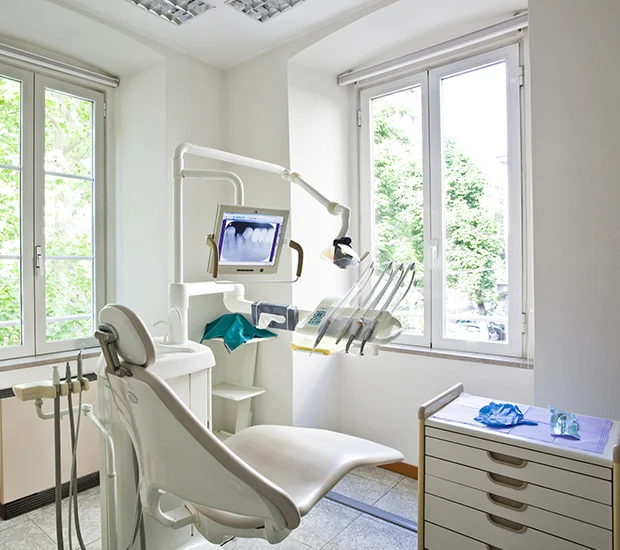
Dental Bridges: An Ideal Solution for Replacing Missing Teeth

Understanding Dental Bridges
Dental bridges serve as remedial devices that replace one or multiple lost teeth. They bridge the division left by absent teeth by securing themselves to neighboring real teeth. This kind of restoration not only enhances visual appeal but is crucial for preserving the jaw’s integrity and maintaining facial contours. At Advanced Dental, we facilitate tailored consultations to identify the best solutions suited for your case, guaranteeing a comfortable and natural outcome.
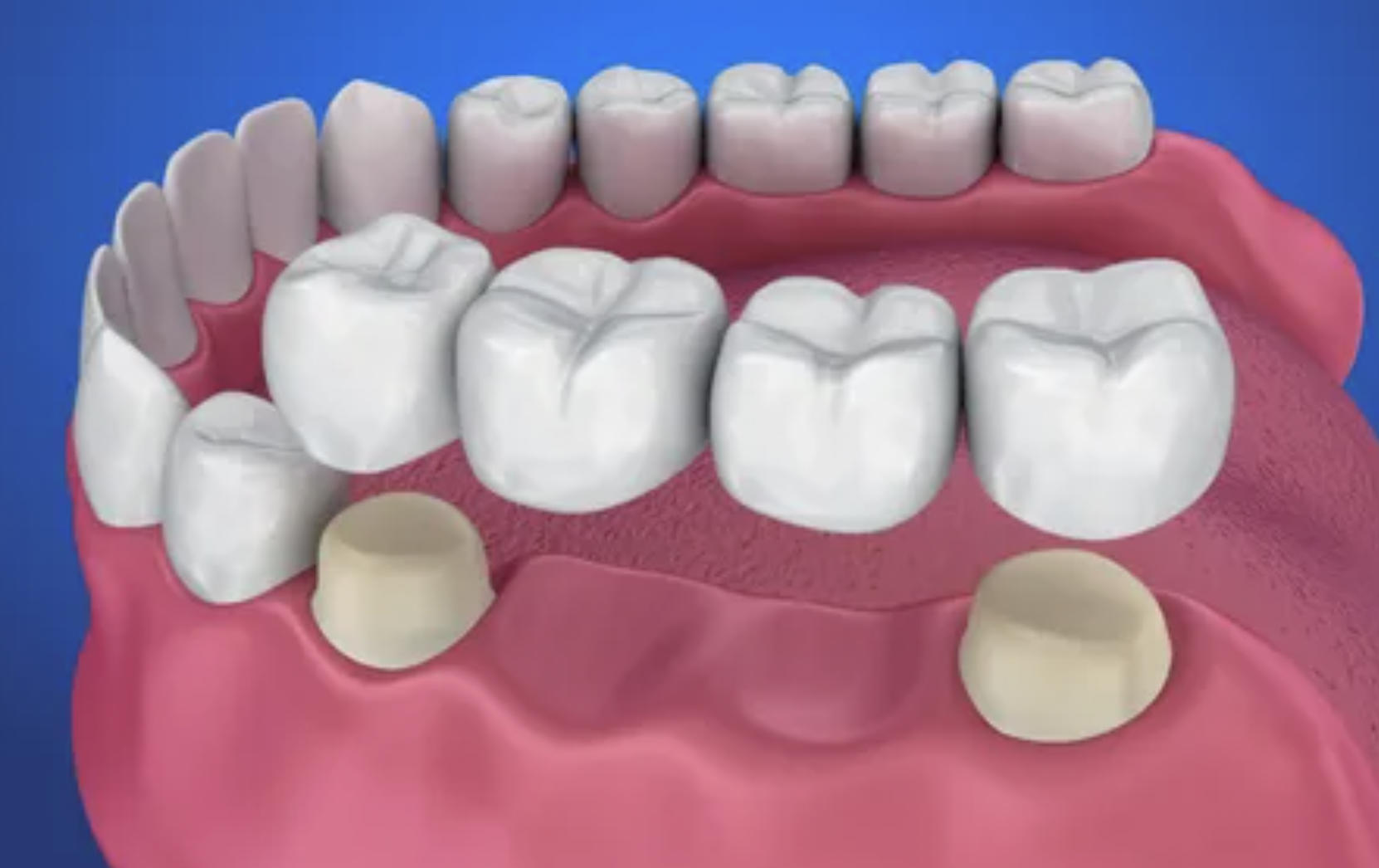
Available Types of Dental Bridges
At Advanced Dental, we provide various dental bridge types to cater to your distinctive preferences. The traditional type, the most prevalent, involves crowns placed on adjacent teeth for durability. If neighboring teeth are unavailable, we offer cantilever bridges. For individuals who seek a conservative choice, resin-bonded bridges may provide an alternative. Our skilled professionals are on hand to assist you in determining the most suitable choice based on your specific dental anatomy.

Reasons to Consider Dental Bridges
Opting for dental bridges at Advanced Dental presents many advantages. They not only restore the charm of your smile but also restore your capacity to chew and assist in preserving your facial shape. Our custom solutions are crafted for durability, assuring you that your restoration will hold strong over time. Additionally, they are simple to maintain, allowing you to uphold a solid oral hygiene routine. Learn from us how dental bridges can boost your lifestyle today!
Frequently Asked Questions
Dental bridges are devices used to replace one or more missing teeth, secured to neighboring teeth or dental implants.
With appropriate upkeep, dental bridges can endure between 5 to 15 years or potentially even longer, influenced by personal oral hygiene practices.
Absolutely, our bespoke dental bridges are crafted to replicate the look of your natural teeth, ensuring a seamless appearance.
Placing a dental bridge typically requires two visits: one for preparation of the adjacent teeth and another for placing the bridge.
Generally, you may consume most foods post-bridging, though it’s advisable to refrain from very hard or sticky items to ensure durability.
Find Us
Ready to Get Started?
We'd love to hear from you