Nanoplasty vs Keratin: Find the Ideal Treatment for Your Hair
Deciding whether to opt for nanoplasty or keratin treatments can feel overwhelming given the variety of choices out there. At Hair Traders Australia, we strive to simplify the decision-making process and identify which method suits your hair's unique characteristics and requirements best. Each treatment boasts its distinct advantages that can notably enhance the texture and manageability of your hair. Gaining insights into how each treatment operates and which hair types they best complement is crucial for making an informed selection.
Choosing Between Nanoplasty and Keratin Treatments: What's Best for You?
Curated with love, crafted for you
 POPULAR
The Mechanism Behind Nanoplasty
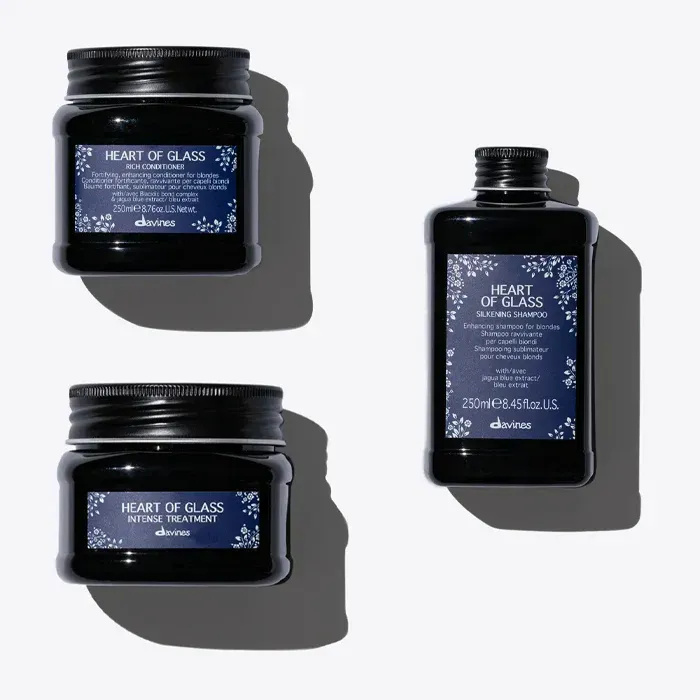
Nanoplasty represents a cutting-edge solution in hair treatment, harnessing the power of amino acids alongside botanical components to improve overall hair health. Unlike conventional treatments, it is devoid of formaldehyde, rendering it a safer, vegan-friendly choice. This method aids in smoothing and nourishing your hair, effectively reducing frizz yet allowing your natural texture and vitality to shine through. With proper aftercare products, nanoplasty can transform your hair into a soft, lustrous, and rejuvenated state.
LEARN MORE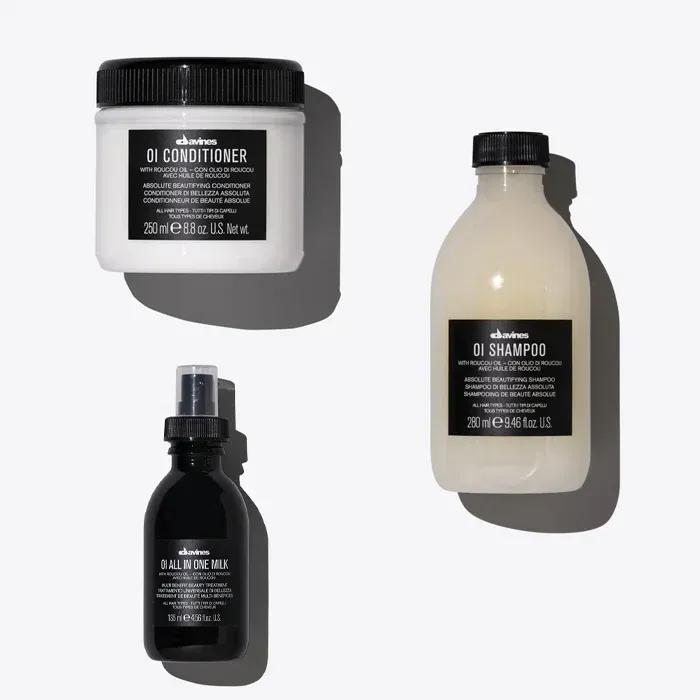 POPULAR
The Basics of Keratin Treatments
Keratin treatments function by integrating protein-rich bonds into the hair strand, which enclose each strand to shield against moisture and frizz. Yet, several keratin solutions incorporate formaldehyde or similar agents, raising questions regarding their safety. This treatment is particularly appealing to individuals desiring prolonged smoothing effects, especially those with wavy or curly textures. Post-treatment maintenance is essential for longevity, warranting the use of sulfate-free products.
LEARN MORE
Comparing Nanoplasty and Keratin: A Visual Comparison
A comparative table illustrates the distinctions between nanoplasty and keratin treatments. Essential factors such as duration of results, compatibility with hair types, efficacy in frizz control, curl preservation, safety considerations, pricing, and post-treatment care must all be assessed. For instance, nanoplasty generally suits finer hair or those seeking more subtle outcomes, while keratin might appeal to those with coarser textures and a preference for pronounced smoothing effects. Determining which treatment is preferable, nanoplasty or keratin, hinges on your individual hair aspirations and challenges.
LEARN MORECommon Questions
The key distinction lies in their compositions; nanoplasty leverages amino acids and is free of formaldehyde, whereas keratin treatments often incorporate protein which may include formaldehyde. These variances impact both safety and outcomes.
Typically, keratin treatments provide longer-lasting results, approximately 3 to 6 months, in contrast to the 2 to 4 months you can expect from nanoplasty based on how well you care for your hair.
Indeed, nanoplasty is effective for every hair type and is exceptionally beneficial for delicate or damaged strands due to its nurturing properties.
Certain keratin treatments may contain formaldehyde, which is a safety concern. Therefore, it’s paramount to seek out formaldehyde-free formulations if safety is a priority for you.
For nanoplasty aftercare, it is advisable to use sulfate-free shampoos and conditioners, such as those offered by Davines and RPR, which can be found at Hair Traders.
Visit Our Store
Ready to Experience the Difference?
Join our community of happy customers today