Master the Danfe Technique for Impeccable Tea Brewing

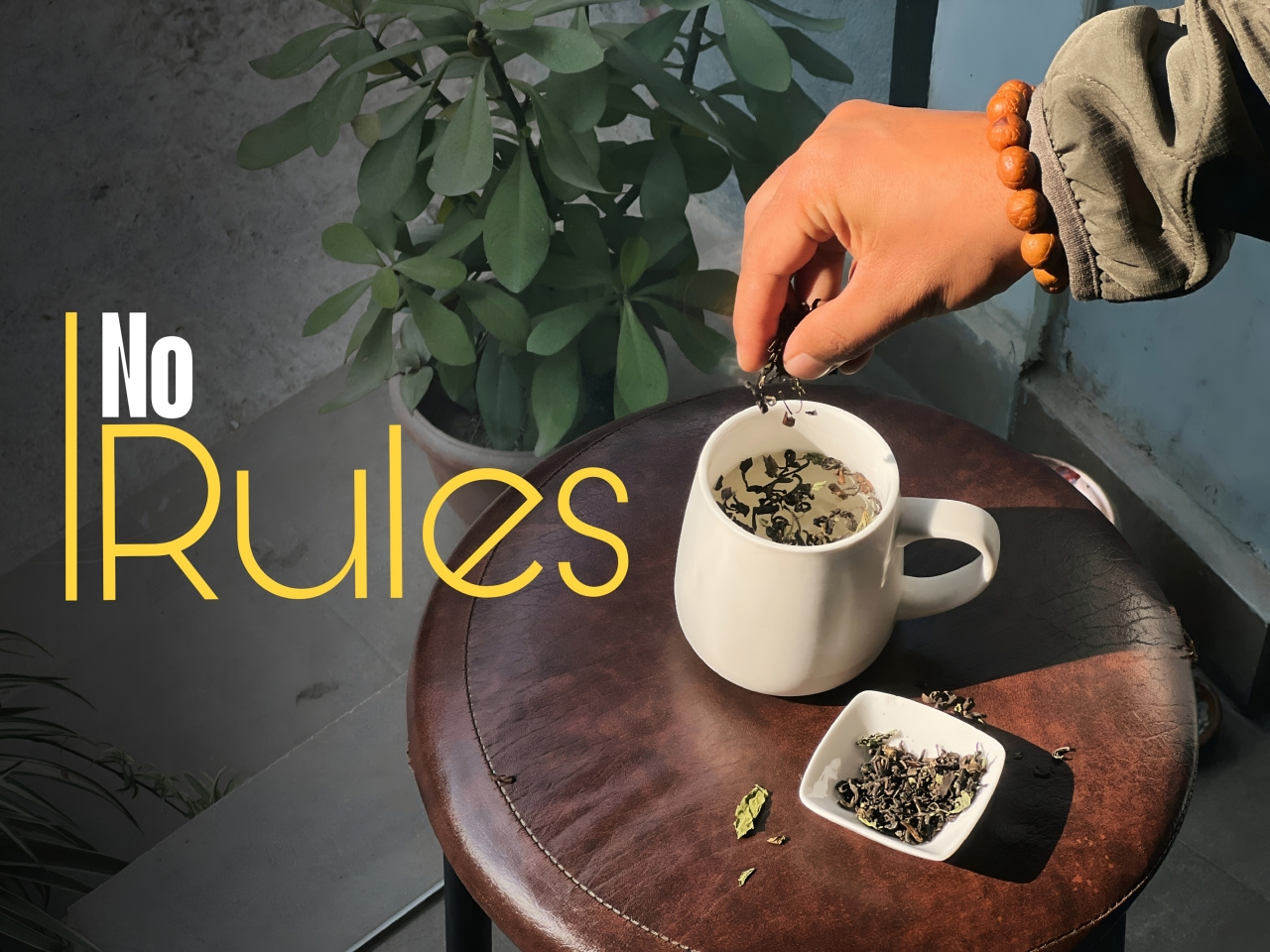
Many tea brewing resources provide a standard set of temperatures and steep times, but at Danfe Tea, we hold a different belief: your ideal cup is one that you enjoy, not one dictated by conventional rules. This principle is the essence of the Danfe Method of tea brewing. Our teas thrive in some of the harshest conditions on the planet, influenced by altitude, temperature fluctuations, and nutrient-dense soil; this character is naturally reflected in every brew. At Danfe Tea, we advocate for an enjoyable process when preparing loose leaf tea—allowing room for creativity without the anxiety of making errors. Whether you maintain precise temperatures or mix up steeping times, our guidance empowers you to craft exceptional blends. This manual will equip you with everything necessary to navigate tea brewing, highlighting flavor subtleties and unique traits of each tea type. Your role is to allow the tea to unfold as you explore its potential. Expect to learn about water temperatures, steep durations, leaf proportions, and cold brewing methods without stress. Feel free to make adjustments, savor your drink regardless. Simple language, open access; experience better tea throughout.

Brew Tea As You Wish: The Danfe Approach

Exploring the Danfe Method for Tea Preparation

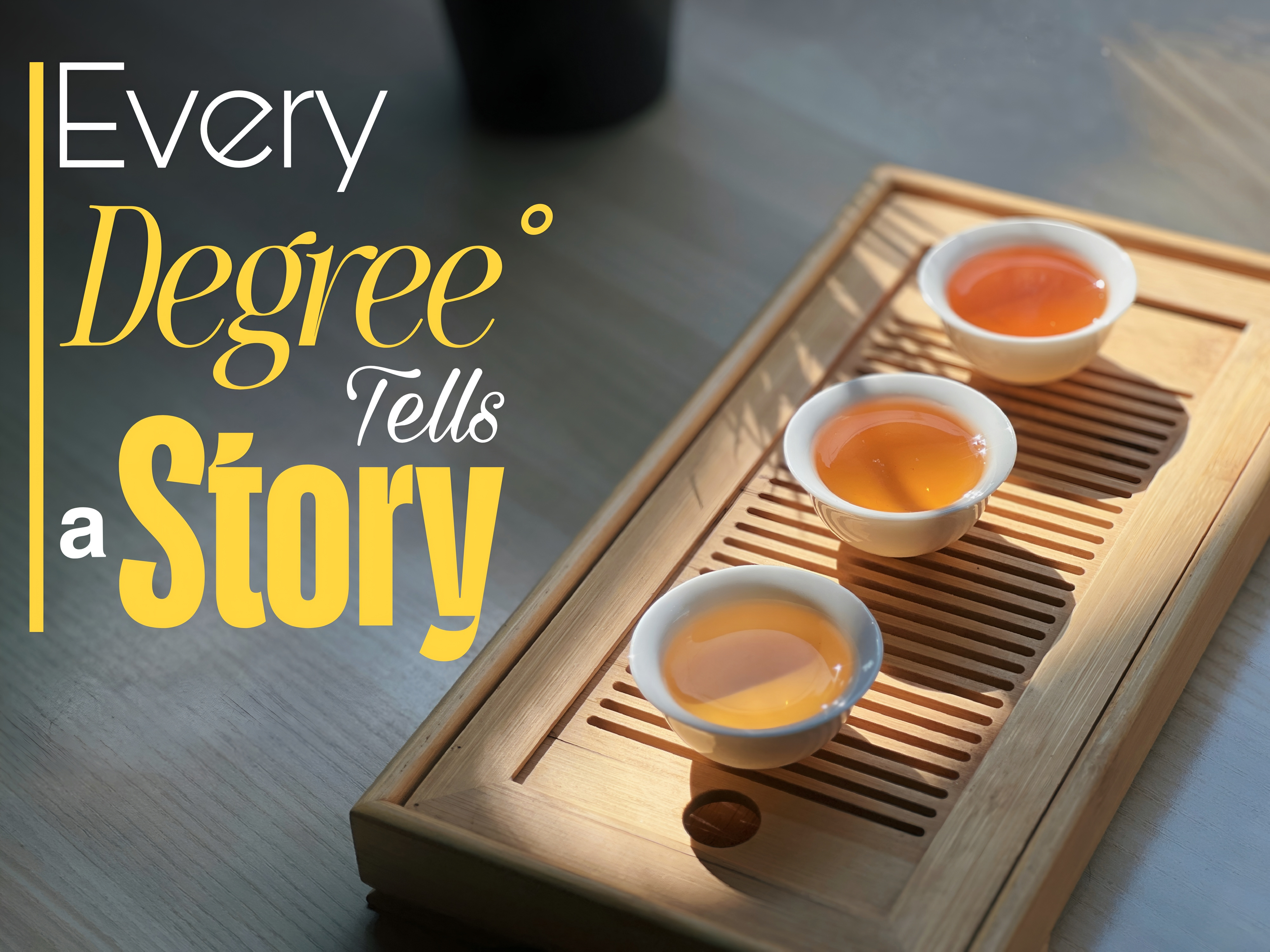
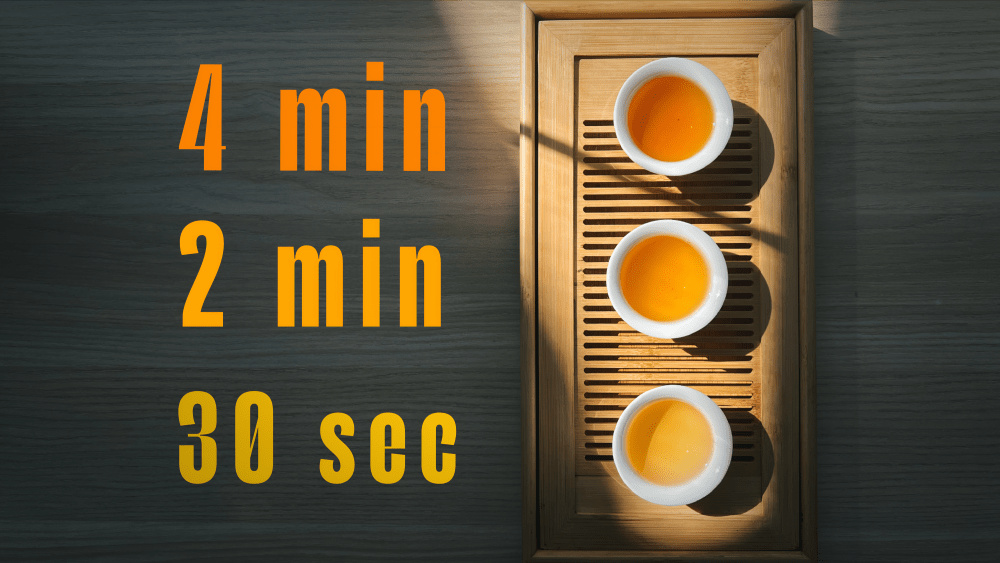
The Danfe Method of tea brewing encourages you to fully appreciate the leadership of loose leaf teas. Commence your journey with carefully selected high-grade teas from our Himalayan assortment, as taste originates from high-quality leaves. The essence of brewing revolves around personal preferences. Feel free to vary your steeping duration and temperatures, usually between 190°F and 210°F depending on the tea—Green teas may suffice with a 2-3 minute steeping, while Black teas can benefit from a 5-minute soak. By using either a gaiwan or a basic teapot, channel hot water over your tea leaves to activate their fragrance. Slowly adjust your steeping routine until you uncover your perfect tea experience, unhindered by fear.

Selecting the Ideal Teas

Choosing the appropriate tea is vital for epically flavorful infusions. Danfe Tea presents an extensive assortment of Himalayan teas, including robust black teas, crisp green teas, and fragrant herbal mixes. Each variety showcases unique traits that interact differently with boiling points and steep times. Black teas thrive at higher temperatures while tender green teas rejoice in calmer temperatures. Familiarize yourself with these distinctions to craft domination brews resonating with your individual preferences. Delve into our unique collections to pinpoint the perfect launching pad for your tea-making ventures at home.

Cold Preparation and Gongfu Techniques Clarified

Cold preparation and Gongfu methods offer cooler alternatives for sipping tea beyond traditional styles. To indulge in cold brewing, soak your preferred loose leaf tea in cold water for 6-12 hours inside your refrigerator to whip up a smoothly refreshing drink suited for sunny climates. On the other hand, Gongfu tea preparation suggests you delve deeper into the complex notes present in your tea. This approach involves multiple rapid steepings with higher leaf-to-water ratios that let you explore the depth in each infusion. Our guide offers lucid directions for both practices, allowing you to enjoy every mug fully while appreciating the tea's nuanced character.

Video

Frequently Asked Questions

The Danfe Method focuses on individual preferences in tea brewing, making it more enjoyable without rigid regulations. It promotes trying out different steeping durations and temperatures.

To prepare loose leaf teas, begin with quality leaves, pick suitable water temperatures, and experiment with steep durations according to the tea type.

Generally, green teas excel at 160°F-180°F for 2-3 minutes; meanwhile, black teas thrive best at 190°F-210°F for 3-5 minutes.

For cold brewing, it typically involves steeping tea in cold water for about 6 to 12 hours in your fridge, contingent on the tea variety.

Absolutely! You can fuse different tea types. Embrace blending to uncover distinctive flavor compositions that match your palate.