How to Prevent Frozen Pipes and Sewer Backups
Winter in the Chicagoland area can be challenging for homeowners, especially when it comes to plumbing. As temperatures drop, the risk of frozen pipes and sewer backups increases significantly. Providing proper winter preparation for your plumbing systems can save you from costly emergency plumbing services. It's essential to be proactive to ensure your plumbing remains intact through the bitter cold. Taking preventative measures before severe weather hits will help secure your home against potential plumbing disasters. Regular drain cleaning can also minimize the risk of sewer backups in the winter months. At RC Szabo Plumbing & Sewer, we understand the unique challenges that winter brings to Tinley Park, IL, and we're here to guide you through the process of keeping your plumbing systems running smoothly. Count on us for emergency plumbing solutions when you need them most.

How to Prevent Frozen Pipes and Sewer Backups in Chicagoland Winters

Winter Plumbing Preparation Tips

Emergency Plumbing Response for Frozen Pipes
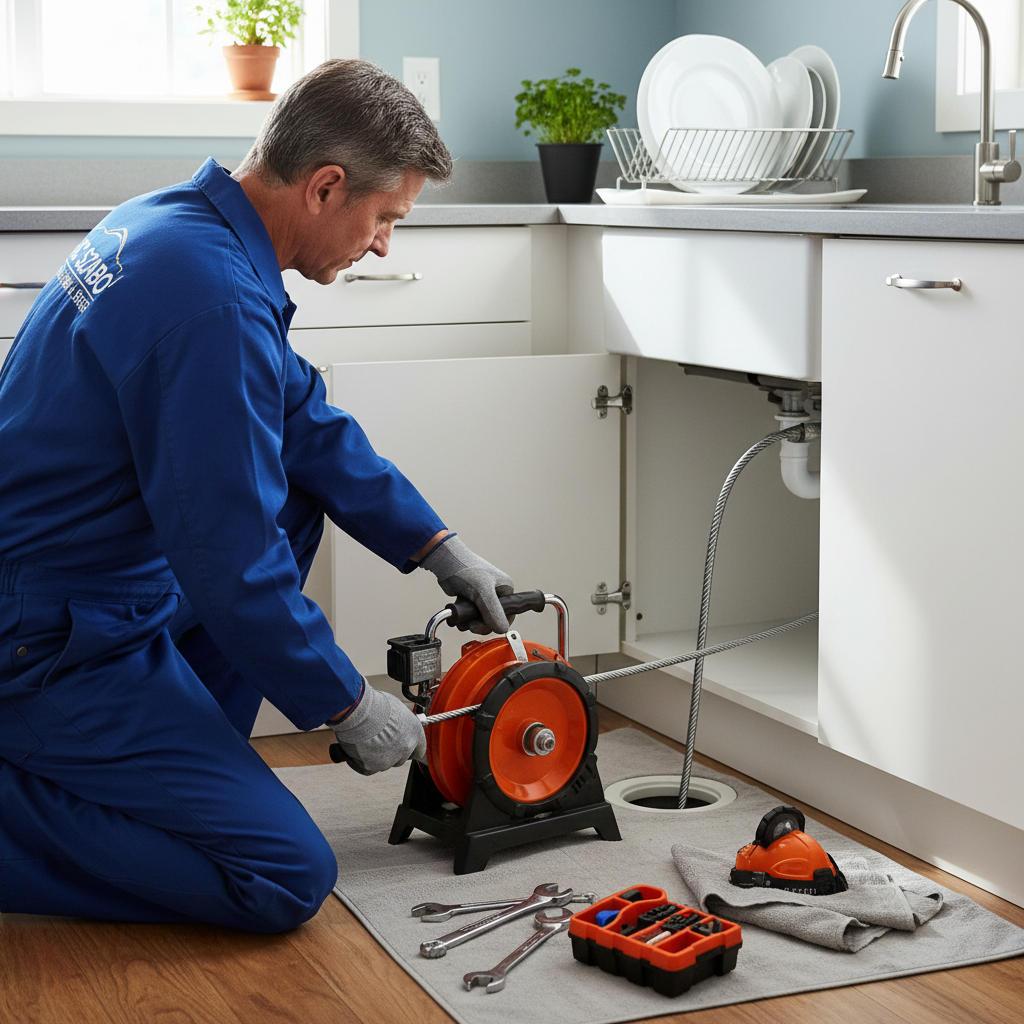
Routine Drain Maintenance to Prevent Backups
Frequently Asked Questions
If you suspect your pipes are frozen, you should try to thaw them with gentle heat, such as a hair dryer or heating pad. Avoid open flames, as they can cause damage. If you notice any leaks or bursting, contact an emergency plumber immediately.
To prevent frozen pipes, insulate any exposed pipes in unheated areas, maintain a consistent indoor temperature, and allow faucets to drip slightly to keep water moving.
Signs of a sewer backup include gurgling sounds from toilets or drains, slow drainage, water backing up in sinks or tubs, and foul odors from drains.
It is recommended to have your drains cleaned at least once a year, but homes with older plumbing or frequent clogs may benefit from more frequent cleanings.
Sewer backups during winter can be caused by frozen pipes, blockages from debris, heavy snowfall, and improper drainage from gutters and downspouts.
Ready to Get Started?
We'd love to hear from you