Exploring Zellige Tiles: Definition, Historical Background, and Crafting Techniques

Zellige tiles exemplify exquisite North African craftsmanship, embodying a beautiful fusion of traditional artistry and modern aesthetics. Their roots can be traced back to medieval Morocco, where these tiles became renowned for their elaborate geometric motifs and a spectrum of vivid hues. This article will delve into the meaning of zellige, the historical relevance of zellige tile, and the artistry behind their creation. Gaining insight into what defines zellige tile allows us to recognize its significance in contemporary interiors and its influence on design in residential and commercial environments. The artisanal quality of zellige tiles highlights the expertise of the local artisans who have inherited this time-honored craft through many generations. Each tile is handcrafted, resulting in distinctive variations that lend personality and appeal to any setting. Thanks to their versatility, zellige tiles are ideal for a range of uses, from striking backsplashes to decorative wall accents. Join us in unraveling the historical significance and cultural importance of zellige as we see how this ancient form of tiling is reshaping contemporary design landscapes.

Article

The Heritage of Zellige Tiles

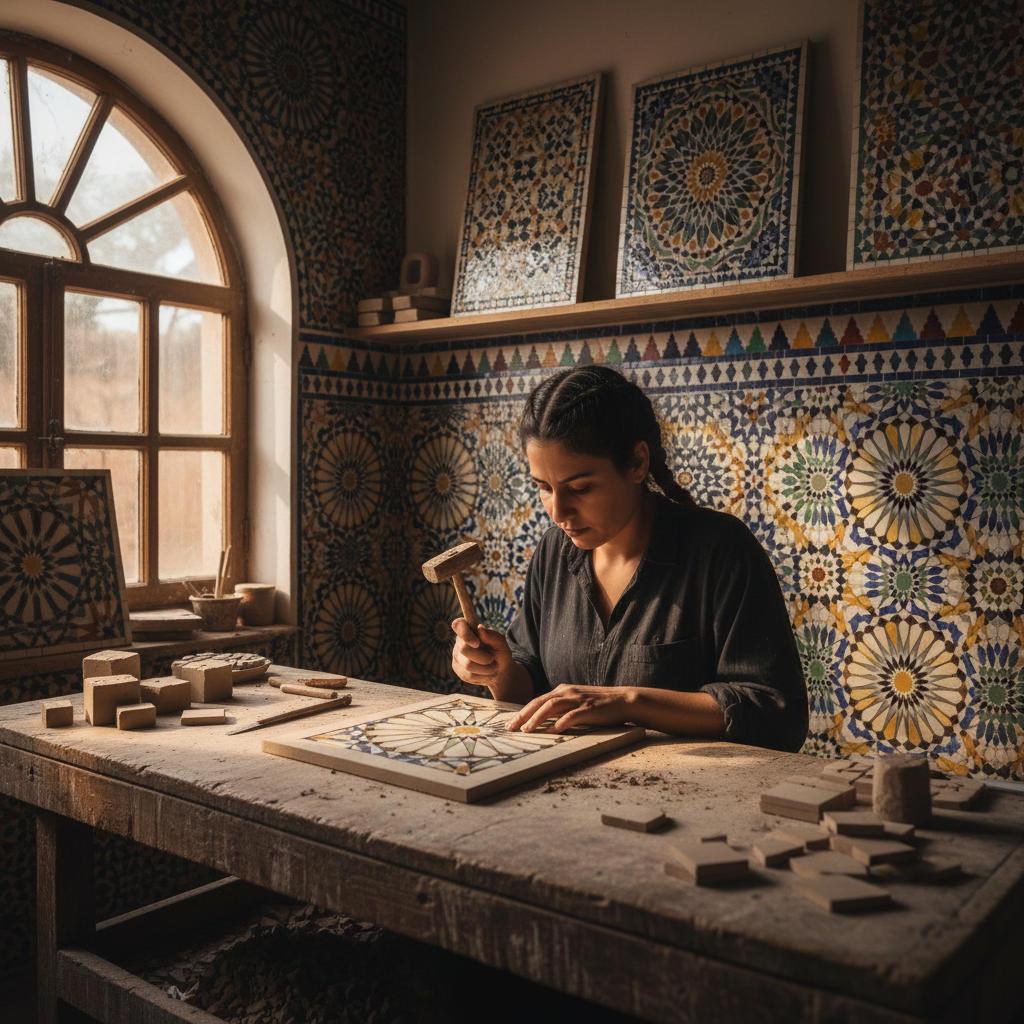
The heritage of zellige tiles can be traced back to the heart of medieval Morocco, where artisans first brought these decorative creations to life. Each zellige tile is crafted by hand, ensuring that no two pieces are identical, yet each tells an evocative story. Traditionally utilized in places of worship and regal residences, these tiles symbolize the rich artistry and cultural legacy of North African heritage. Over the ages, the craft of zellige has evolved, blending with various styles while consistently honoring its artisan foundations.
The Heritage of Zellige Tiles

The Crafting Process Behind Zellige Tiles

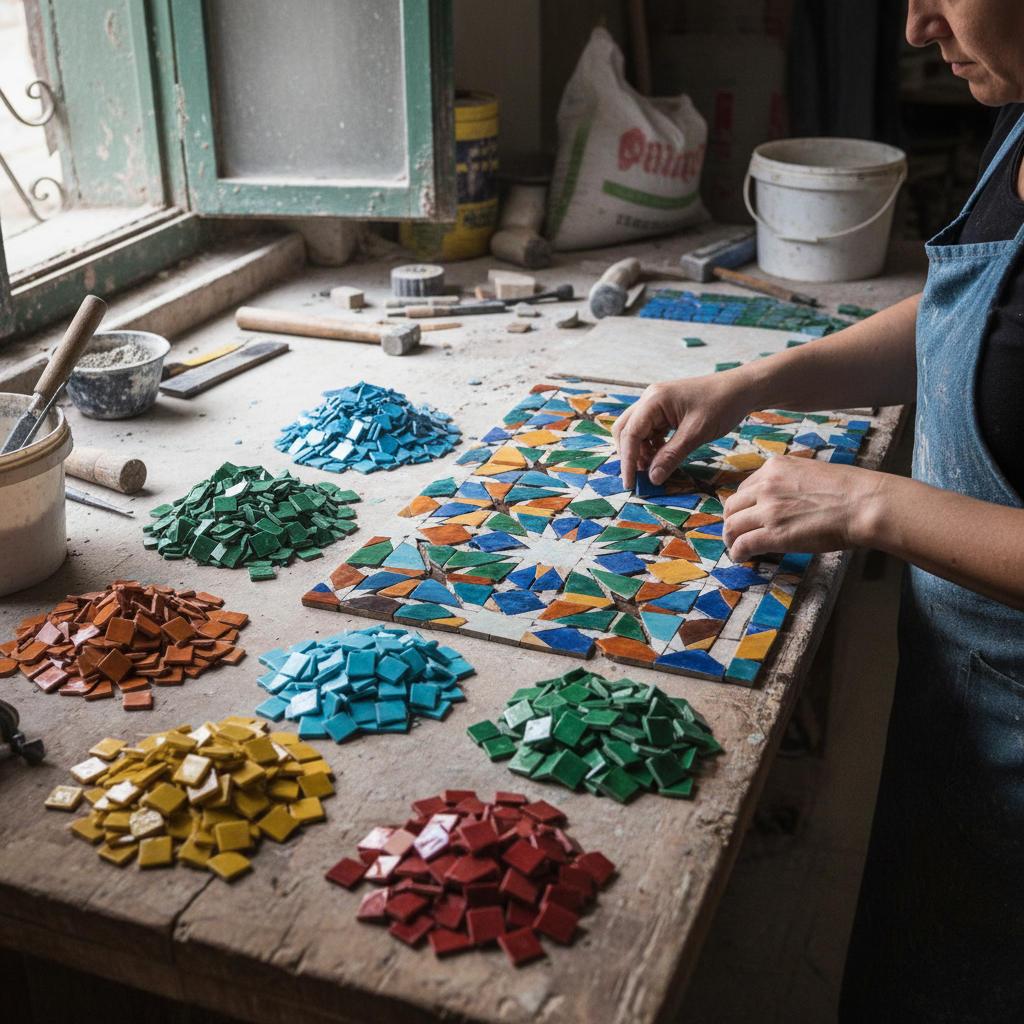
The creation of zellige tiles involves a detailed method beginning with selecting superior clay. Skilled craftspeople mold and contour the clay before firing it at high temperatures to achieve a long-lasting product. These tiles are meticulously glazed in luminous colors and then cut into exquisite shapes, showcasing the depth and dimension that zellige tiles are celebrated for. This elaborate process highlights not only the artistry involved but also underscores the significance of traditional methods in crafting authentic artisanal goods.
The Crafting Process Behind Zellige Tiles

Contemporary Uses of Zellige Tiles

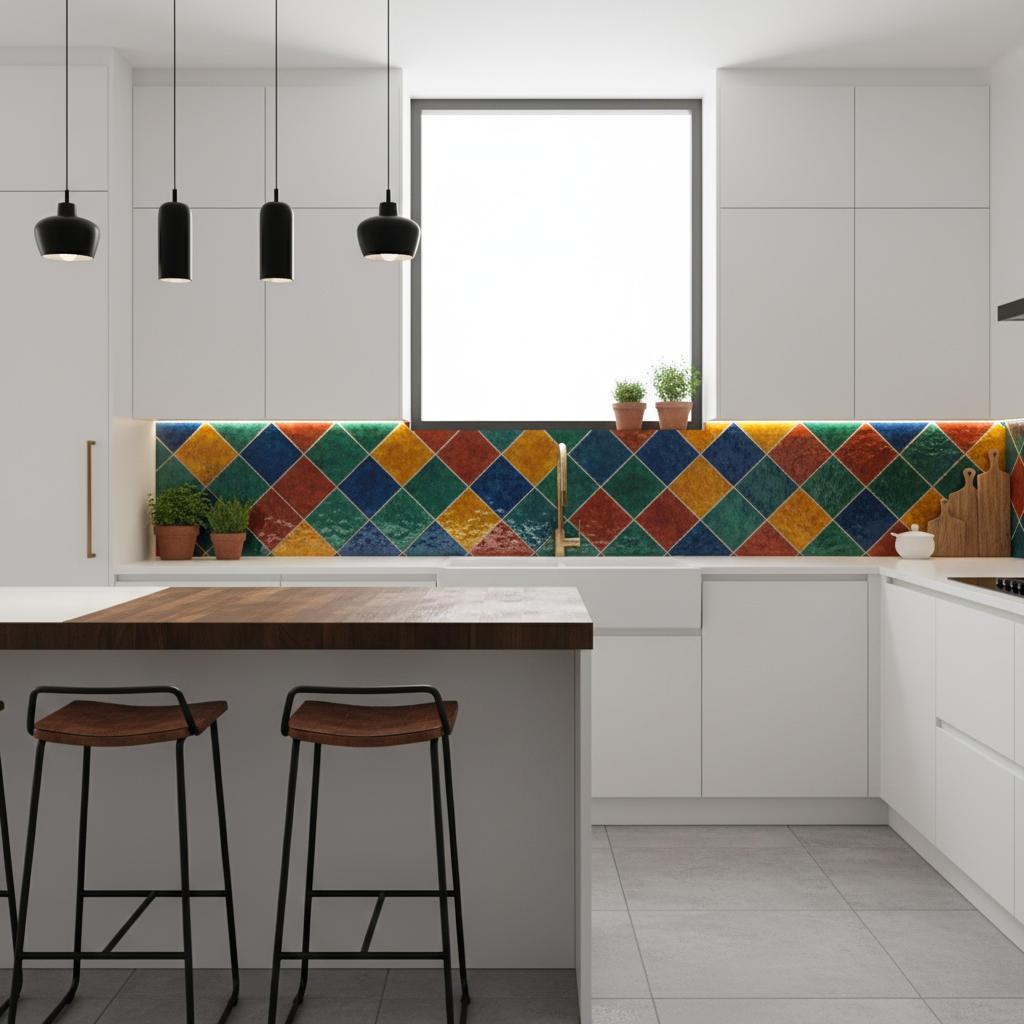
Today, zellige tiles have surged in popularity in both residential and commercial design fields. Their ageless beauty makes them a perfect match for a variety of styles, ranging from Mediterranean to modern minimalist. Designers are increasingly incorporating zellige tiles in kitchens, bathrooms, and feature walls, crafting show-stopping elements that celebrate the charm of North African craftsmanship. The adaptability of these tiles, along with their rich cultural narrative, inspires contemporary designers and homeowners eager to add a touch of artistry to their living spaces.

Frequently Asked Questions

Zellige tile refers to a classic mosaic tile from Morocco that is handmade and glazed, recognized for its vivid colors and intricate geometric patterns.

The term zellige means "polished stone" in Arabic, which signifies its smooth finish and stone-like appearance found in these decorative tiles.

Zellige tiles originated from medieval Morocco and were mainly popular in spiritual and royal structures, symbolizing the rich cultural and artisanal heritage.

The manufacturing process necessitates skilled craftsmanship to produce distinctive and high-quality tiles.

Indeed, zellige tiles are highly sought after in modern kitchens as backsplashes, offering an artistic flair while boasting durability and waterproof qualities.