Chemical Bypass Feeders: Essential Solutions for Water Management

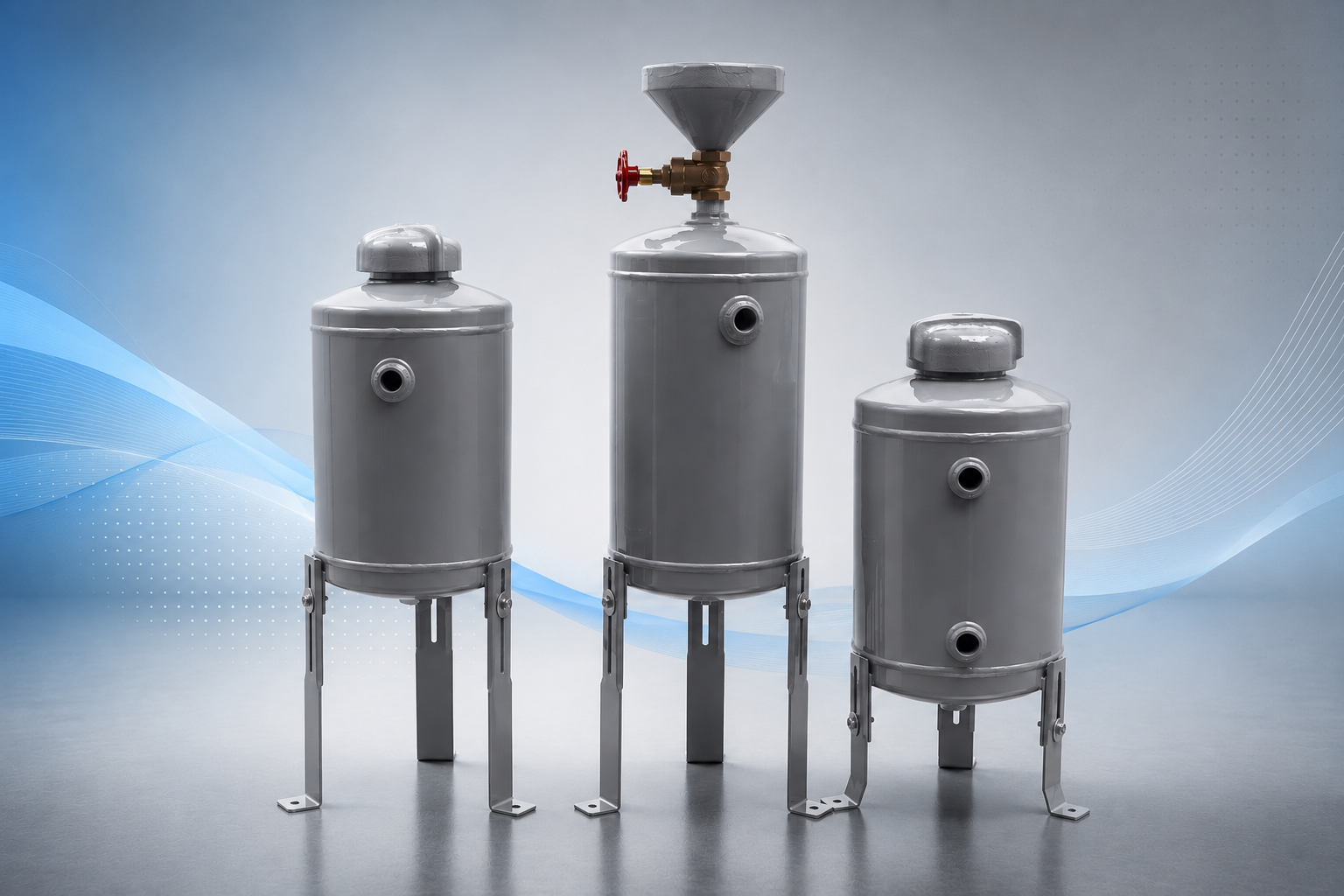
Chemical bypass feeders play a crucial role in providing accurate chemical injection into water treatment systems, mitigating scale and corrosion that can reduce the lifespan of equipment used in HVAC and closed-loop settings. For over sixty years, Vector Industries, Inc. has specialized in crafting chemical bypass feeders within its Waukesha, Wisconsin manufacturing facility, utilizing American-sourced steel while shipping the majority of orders from readily available inventory. For water treatment professionals, price and reliability of construction and dosing accuracy are equally important—this guide examines the design, usage, and essential features of bypass feeders.

Article Offering Insightful Information on Chemical Bypass Feeders

Overview of Chemical Bypass Feeders

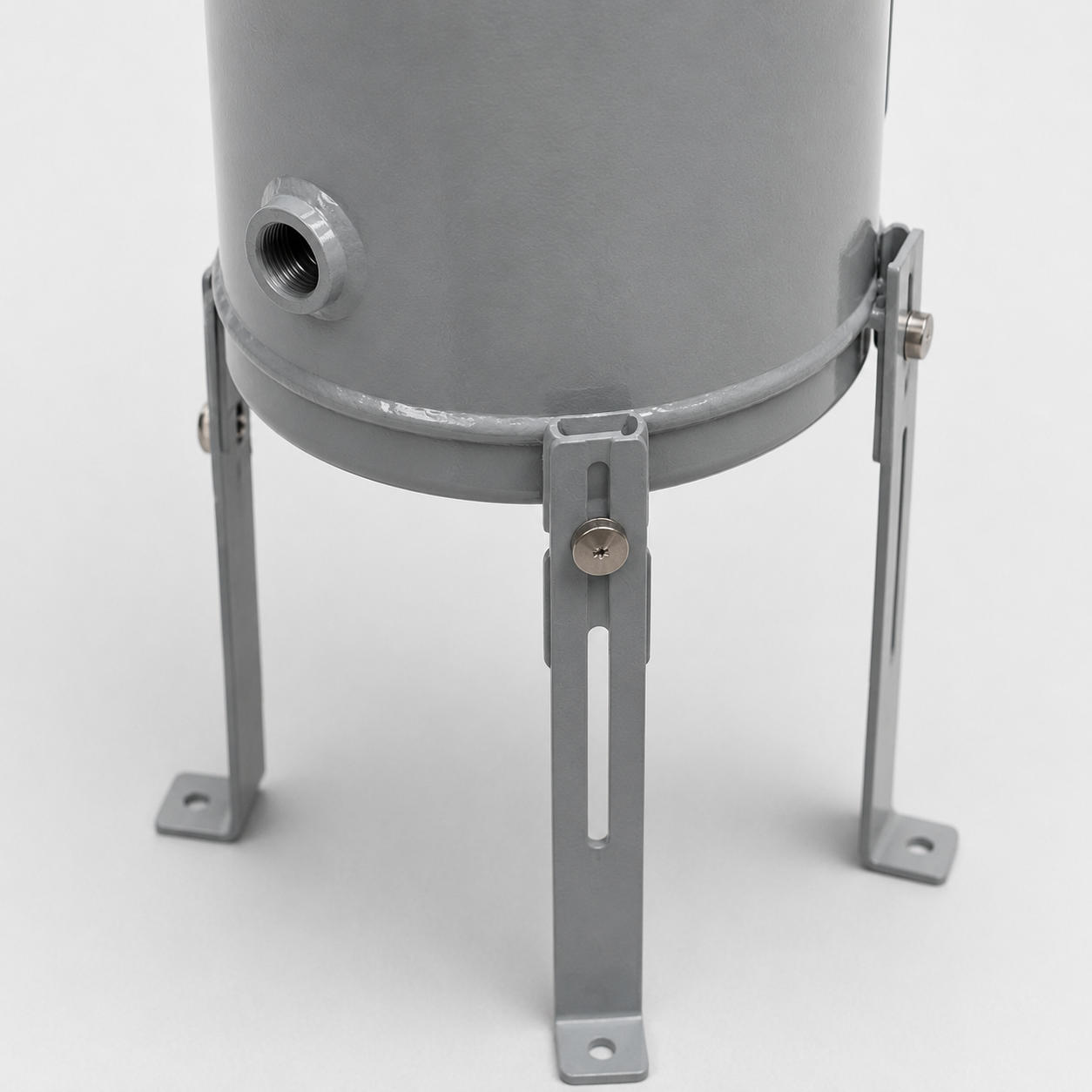
Chemical bypass feeders function by rerouting a small volume of water from the system into a sealed tank where it is combined with a controlled chemical dose prior to returning to the main circulation. This mechanism enables staff to administer corrosion inhibitors, biocides, or scale prevention chemicals accurately, avoiding both interruptions to system operations and indecision about proper concentrations. Especially in closed-loop water treatment applications, which utilize recirculated water for prolonged periods, precise control is essential to ensure the continued efficiency of piping, boilers, and chillers amidst the absence of untreated deposits.
Overview of Chemical Bypass Feeders

Uses in HVAC and Industrial Environments

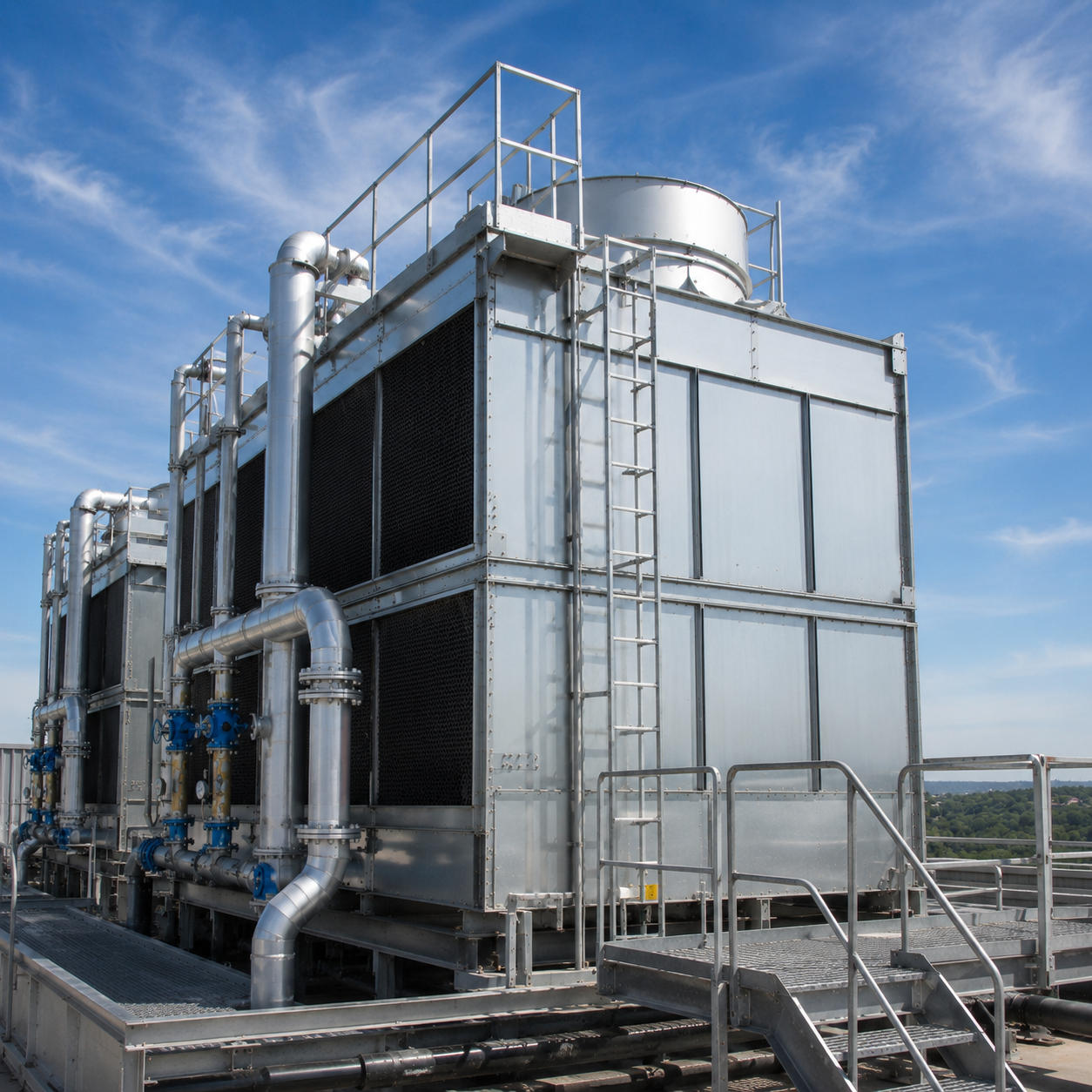
Within HVAC installations, bypass feeders are crucial for treating the water circulating within boilers, chillers, and cooling towers—circumstances where untreated water can lead to the accumulation of scale on essential heat-exchange areas, subsequently imposing a heavier load on the equipment. Educational institutions, medical facilities, and energy production facilities rely on continuous operation from these systems, thus even minimal declines in HVAC water treatment efficiency can compound significant costs throughout the operational period. An adequately dimensioned feeder maintains optimal chemical levels consistently, eliminating the need for frequent manual dosing, which further explains their value to maintenance teams with limited resources.
Uses in HVAC and Industrial Environments

Advantages of Accurate Chemical Management

Getting chemical dosing wrong can lead to a gradual decline in system integrity—manifesting in pitted piping, decreased heat transfer due to scale build-up, or pumps encountering unnecessary resistance during operation. Employing a bypass feeder for steady and precise dosing removes the likelihood of such progressive failures, making it more economical to maintain than to rectify. Over a system's lifecycle, effective dosing results in fewer unscheduled downtimes, reduced energy consumption, and maximizes the expected longevity of the equipment, reducing the risk of premature breakdowns.
Advantages of Accurate Chemical Management

Frequently Asked Questions

Chemical bypass feeders are specialized tanks integrated into a bypass line facilitating the injection of specified chemicals—like corrosion inhibitors, biocides, or scale-removing agents—into a water system smoothly without disrupting flow operations.

A designated flow of water is directed into the feeder tank where it is blended with the chemical dose before re-entering the main supply line, allowing for exact chemical dosing without manual injection needed. Discover further details on how chemical bypass feeders operate.

Pertinent for any establishment utilizing closed-loop HVAC or process water systems, such as educational institutions, hospitals, energy facilities, and manufacturing environments, which depend on constant operation to avoid costly issues from untreated scale and corrosion.

When water in HVAC loops remains untreated, it leads to scaling and corrosion, which diminishes heat-transfer efficiency and shortens the functional lifespan of boilers, chillers, and piping. Controlled chemical dosing counteracts these issues. Read more about the significance of chemical dosing here.

You may explore our chemical bypass feeders available within our online catalog, ready for prompt shipment.