Assisting Homeowners to Avert Foreclosure with Chapter 13 Protection

Are you a homeowner in Massachusetts confronting the threat of foreclosure or mounting tax issues? You'll need a proficient Chapter 13 bankruptcy attorney to guide you through these challenging circumstances. With appropriate legal counsel, you have the opportunity to halt foreclosure and devise a structured approach to address overdue payments. Attorney Michael Goldstein focuses on navigating clients through the complexities of the Chapter 13 bankruptcy framework, ensuring that you are fully aware of your options and rights. Our mission is to offer you relief and a roadmap to regain your financial footing.

Assisting Homeowners to Avert Foreclosure with Chapter 13 Protection

Your Home and Chapter 13 Bankruptcy

What Is Chapter 13 Bankruptcy?

What Is Chapter 13 Bankruptcy?

The Chapter 13 bankruptcy process permits individuals to restructure their debts and establish a feasible repayment strategy. This debt relief option is especially advantageous for homeowners burdened with mortgage debt and at risk of losing their homes. Upon filing for Chapter 13, you have the facility to suggest a repayment plan spanning 3 to 5 years, which enables you to address outstanding payments while retaining ownership of your property. A knowledgeable Chapter 13 bankruptcy attorney will assist you in navigating this procedure accurately and meeting all related obligations.
How to Prevent Foreclosure in Massachusetts
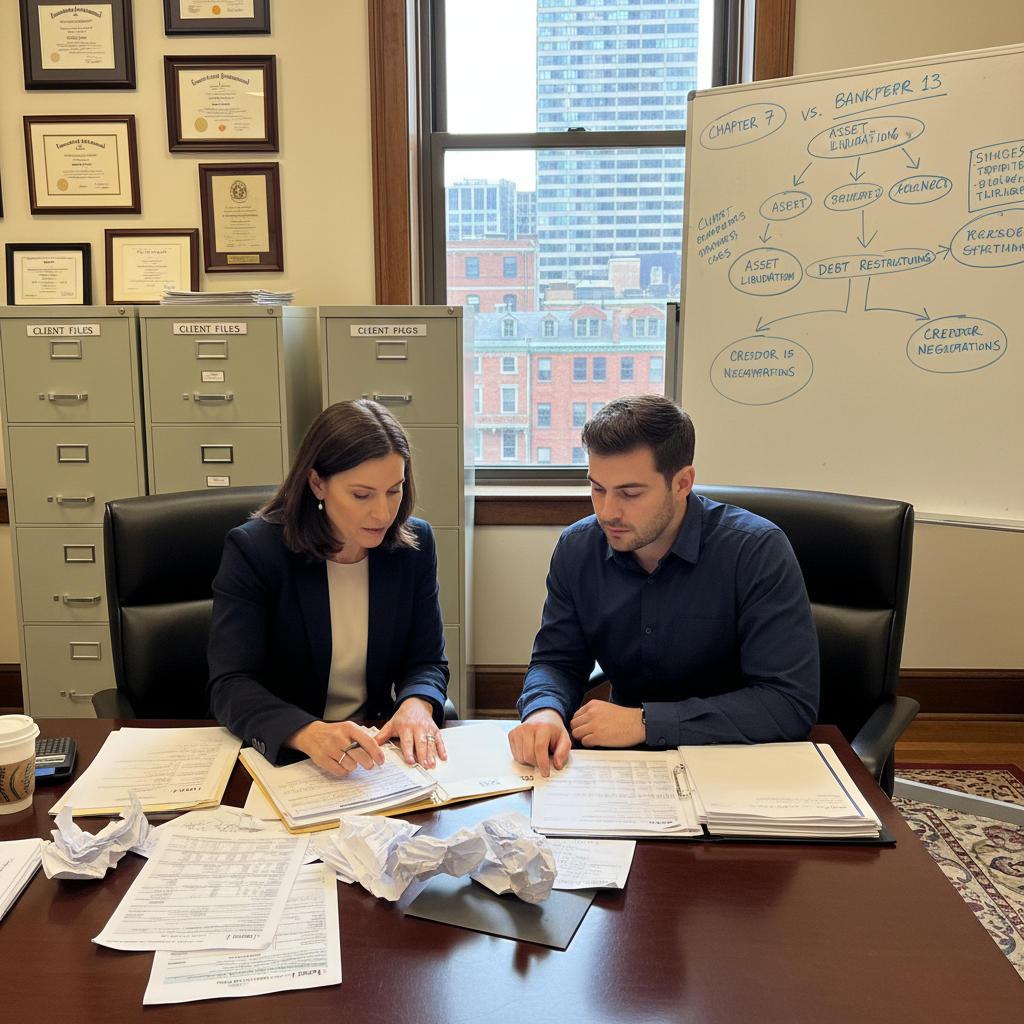
How to Prevent Foreclosure in Massachusetts

The experience of foreclosure can be overwhelming, but it doesn’t signal the end of your journey as a homeowner. Filing for Chapter 13 bankruptcy allows you to stop foreclosure actions right away. This legal step gives you a chance to retrieve overdue payments while remaining in your home. With guidance from an experienced Chapter 13 bankruptcy attorney, you can develop a personalized strategy that fits your budget, setting you on a course toward financial renewal.
Mitigating Tax Liens with Bankruptcy

Mitigating Tax Liens with Bankruptcy

Tax liens can impose significant stress on homeowners; however, Chapter 13 bankruptcy serves as an effective remedy. By initiating a Chapter 13 bankruptcy filing, it is possible to manage or potentially decrease the repercussions of unpaid taxes. A lawyer focusing on Chapter 13 bankruptcy can engage with tax officials to construct a repayment plan tailored to your circumstances. This approach not only halts foreclosure but may also facilitate a resolution for tax debts, alleviating financial pressure.

Frequently Asked Questions

Chapter 13 bankruptcy represents a legal pathway enabling individuals to organize their debts and design a repayment plan to recover from missed payments.

Upon filing for Chapter 13 bankruptcy, an immediate 'automatic stay' comes into effect, pausing foreclosure actions and granting you time to amend past due payments.

Certainly, most individuals who opt for Chapter 13 bankruptcy can retain their homes while managing a repayment plan for their mortgages.

Chapter 13 bankruptcy accommodates inclusion of mortgage back payments, credit card obligations, medical expenses, and certain tax responsibilities in your repayment schedule.

Generally, the repayment plan in Chapter 13 lasts between 3 and 5 years, influenced by your earnings and levels of debt.

Ready to Get Started?

We'd love to hear from you